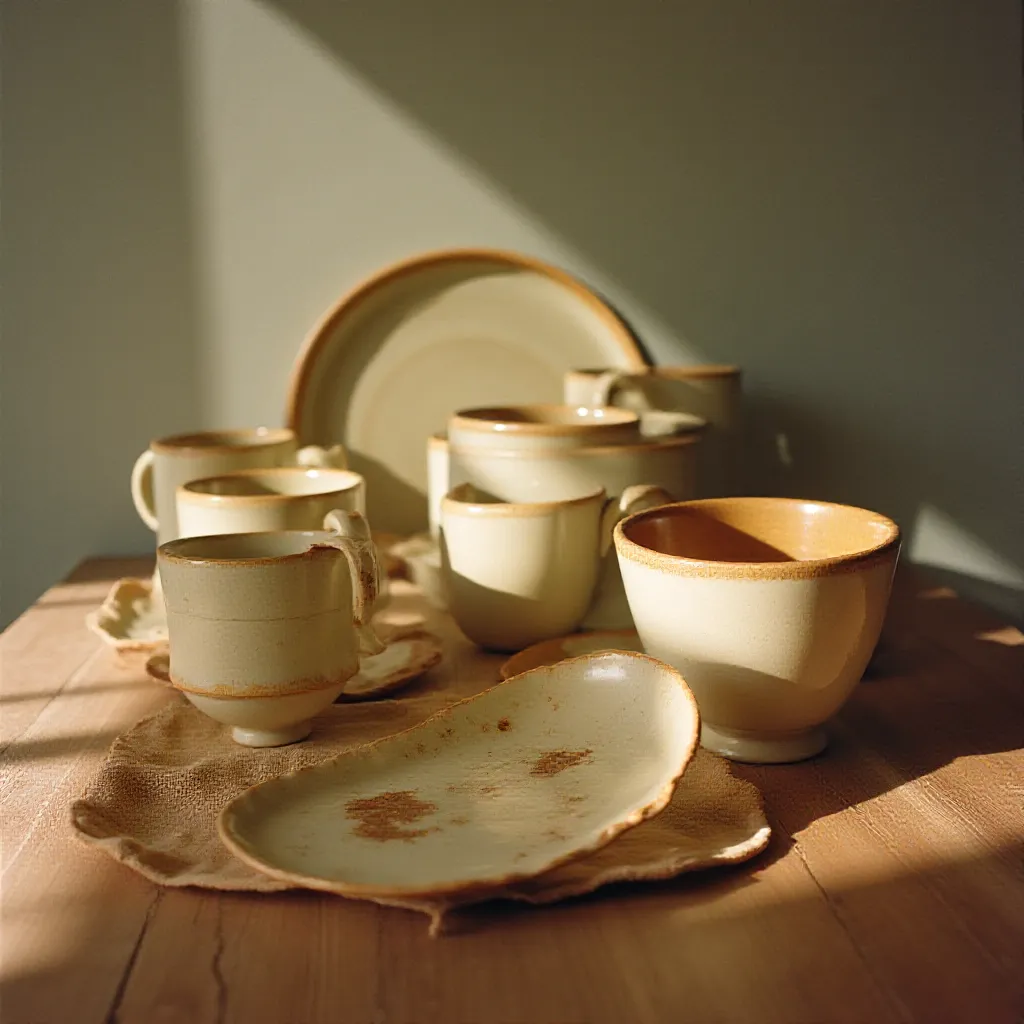
Organic Form Meets Function
Small-batch ceramic tableware crafted through traditional techniques and modern design principles
Museum of Future Archaeology
BATCH-2026-001Each piece in our collection represents a moment of transformation—where raw earth becomes functional art. Our approach combines time-honored pottery methods with contemporary aesthetics, resulting in tableware that bridges past and present.
We work with natural clay bodies, selecting materials based on their mineral composition and firing characteristics. Every item undergoes careful hand-forming and precise kiln firing to achieve its final state.
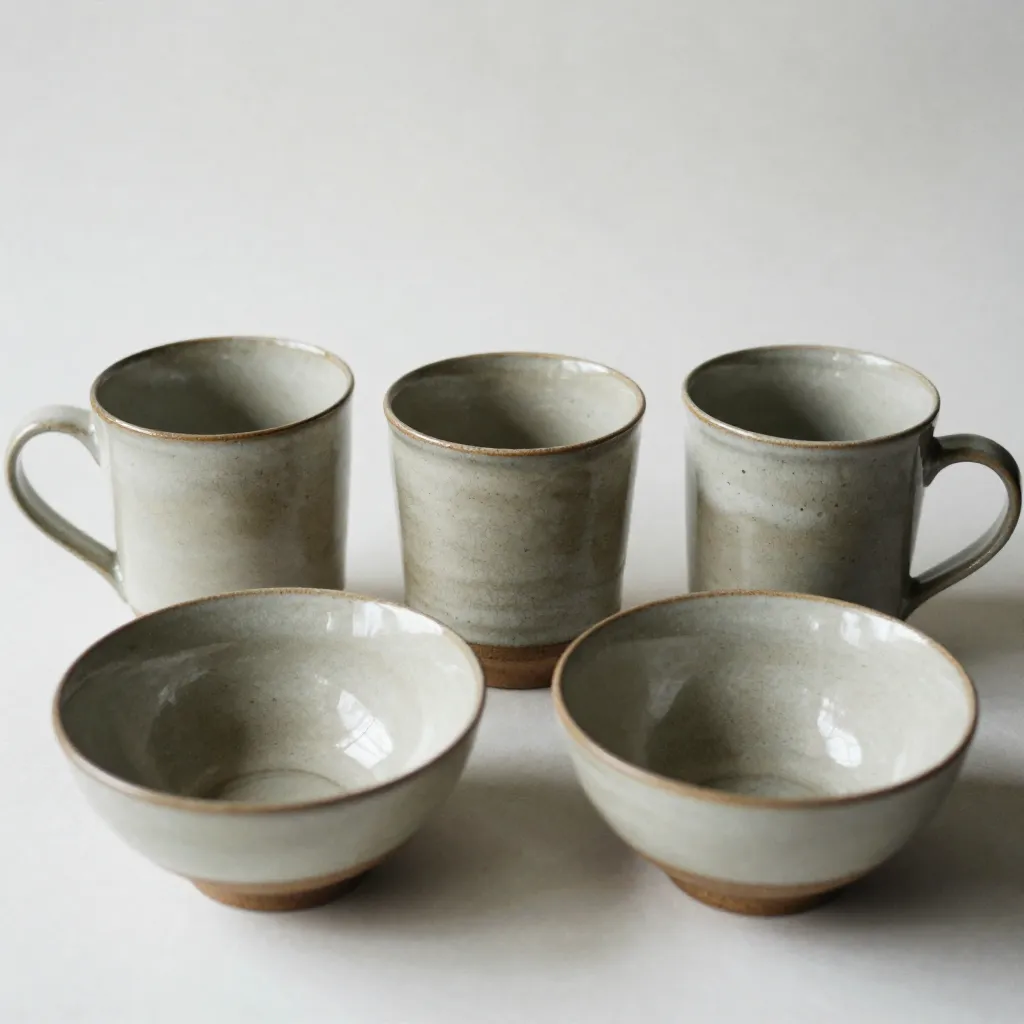
Elemental Composition
ANALYSIS-MAT-001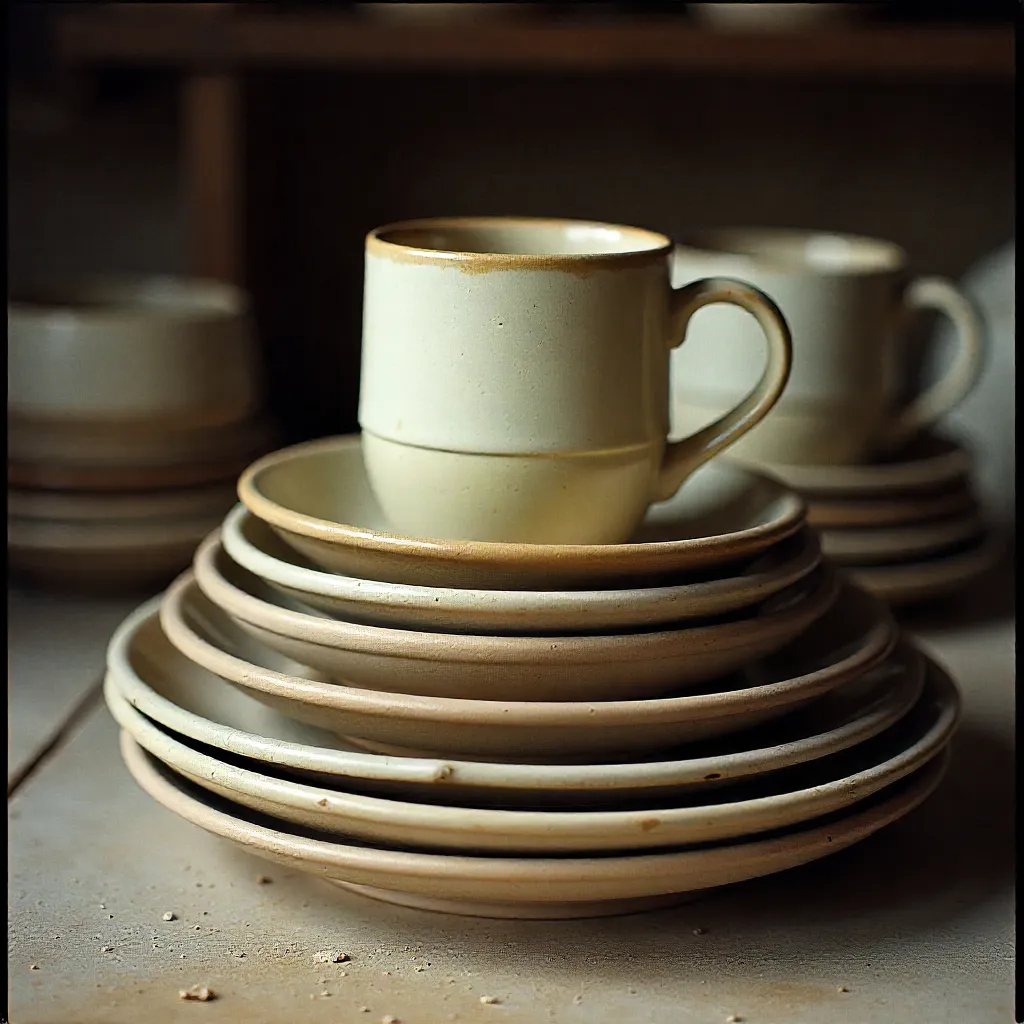
Kaolin Base
High-purity kaolin clay provides structural integrity and contributes to the finished piece's durability and translucency.
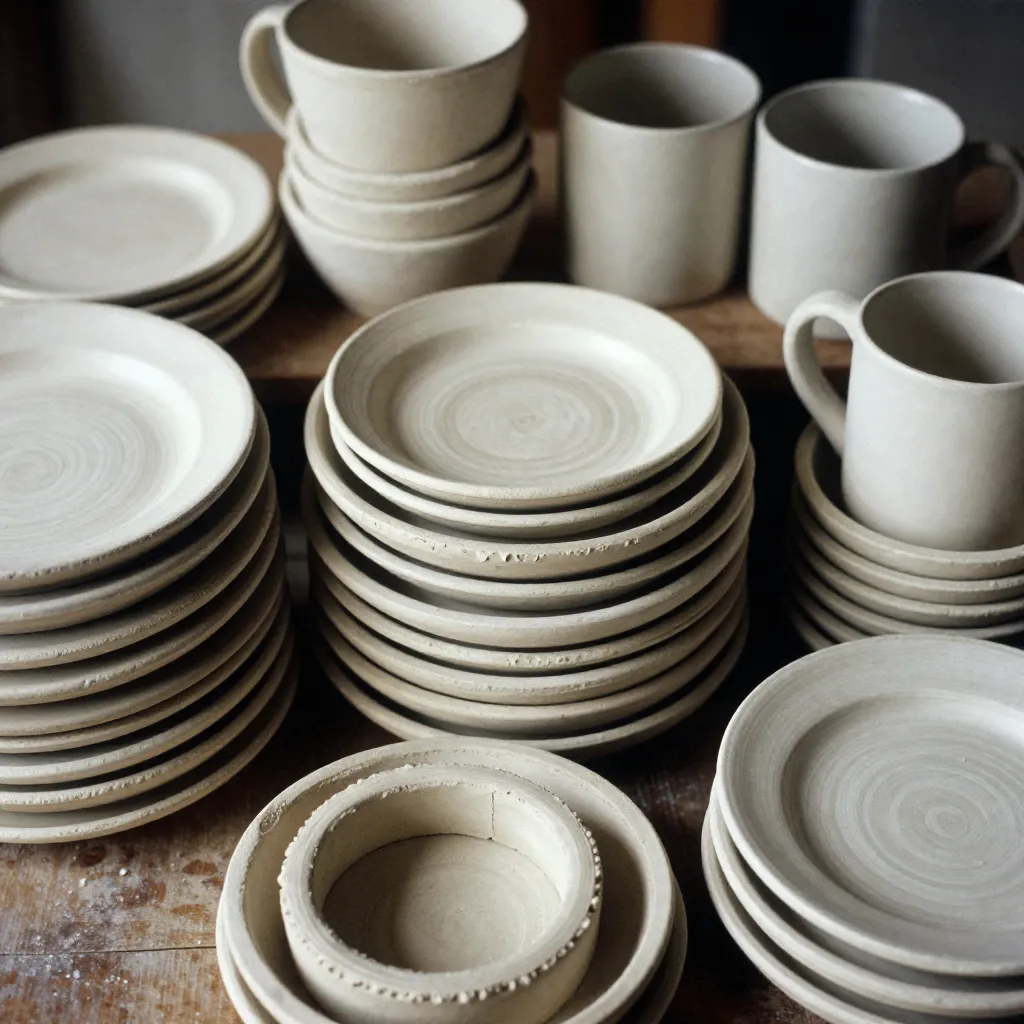
Feldspar Content
Feldspar minerals act as natural fluxes during firing, promoting vitrification and enhancing the material's strength.
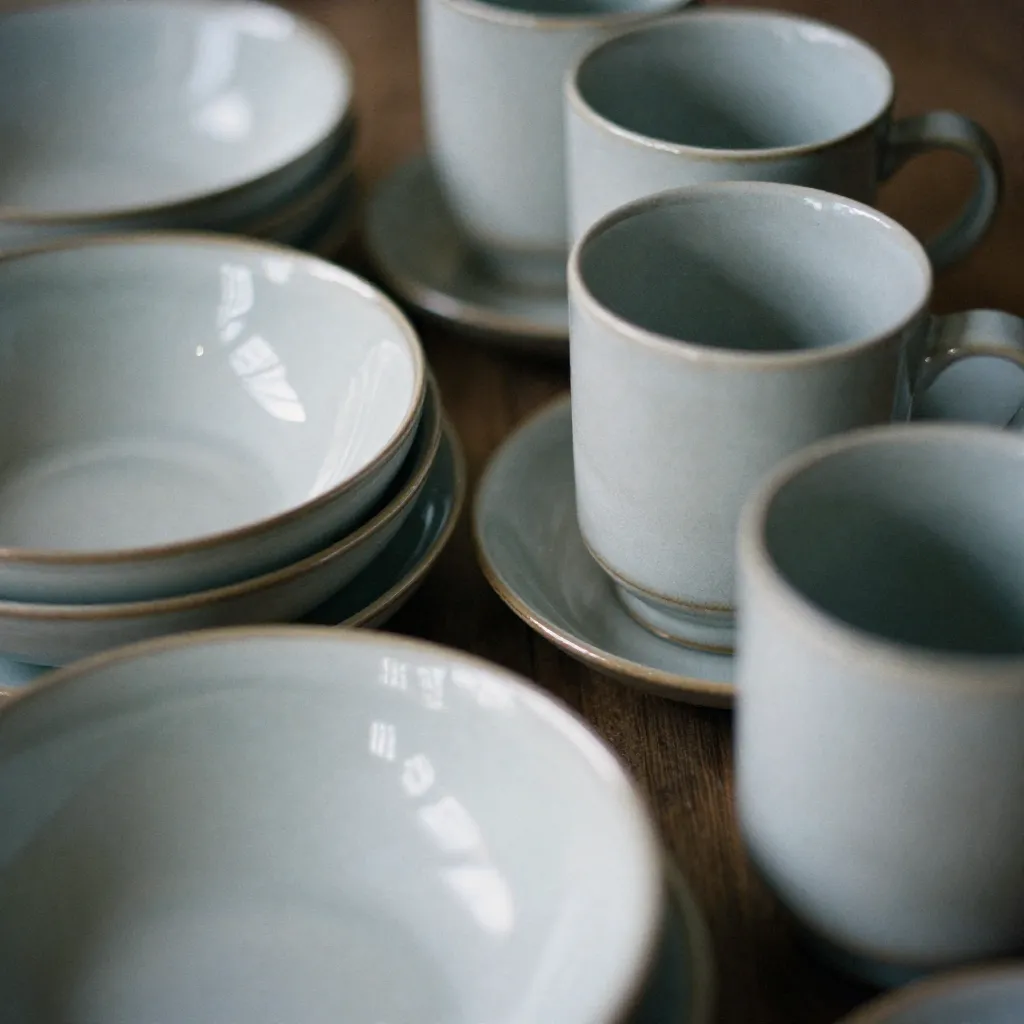
Quartz Integration
Silica-based quartz particles create texture variation and contribute to the material's thermal shock resistance.
Tactile Spectrum
TACTILE-SURF-001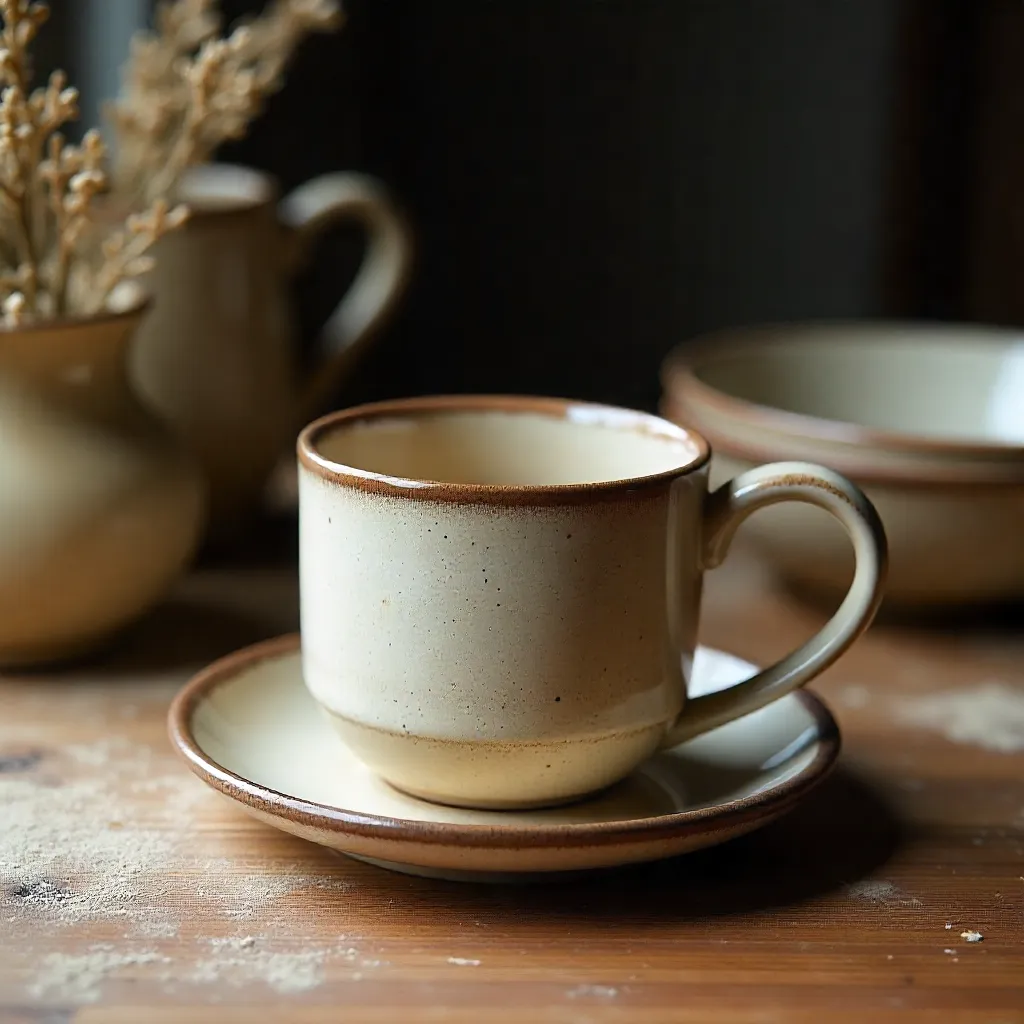
Surface texture varies across our collection, ranging from satin-smooth glazes to intentionally textured finishes that retain the marks of their creation.
Each piece invites touch and interaction. The weight distribution, rim thickness, and base configuration are carefully considered to enhance the user experience.
Our firing process allows for controlled variation in surface character, ensuring each item possesses unique tactile qualities while maintaining functional consistency.
Thermal Transformation
KILN-PROC-001Bisque Phase
Initial firing removes physical water and organic matter, preparing the clay body for glazing and final transformation.
Glaze Application
Glazes are formulated to interact with the clay body at specific temperatures, creating unique surface characteristics.
Final Firing
High-temperature firing bonds glaze and body, completing the transformation from soft clay to permanent ceramic.
The kiln environment creates conditions where clay particles undergo structural changes. At elevated temperatures, materials begin to vitrify, forming a unified ceramic matrix.
Temperature control and firing duration directly influence the final characteristics of each piece, including color development, surface texture, and structural integrity.
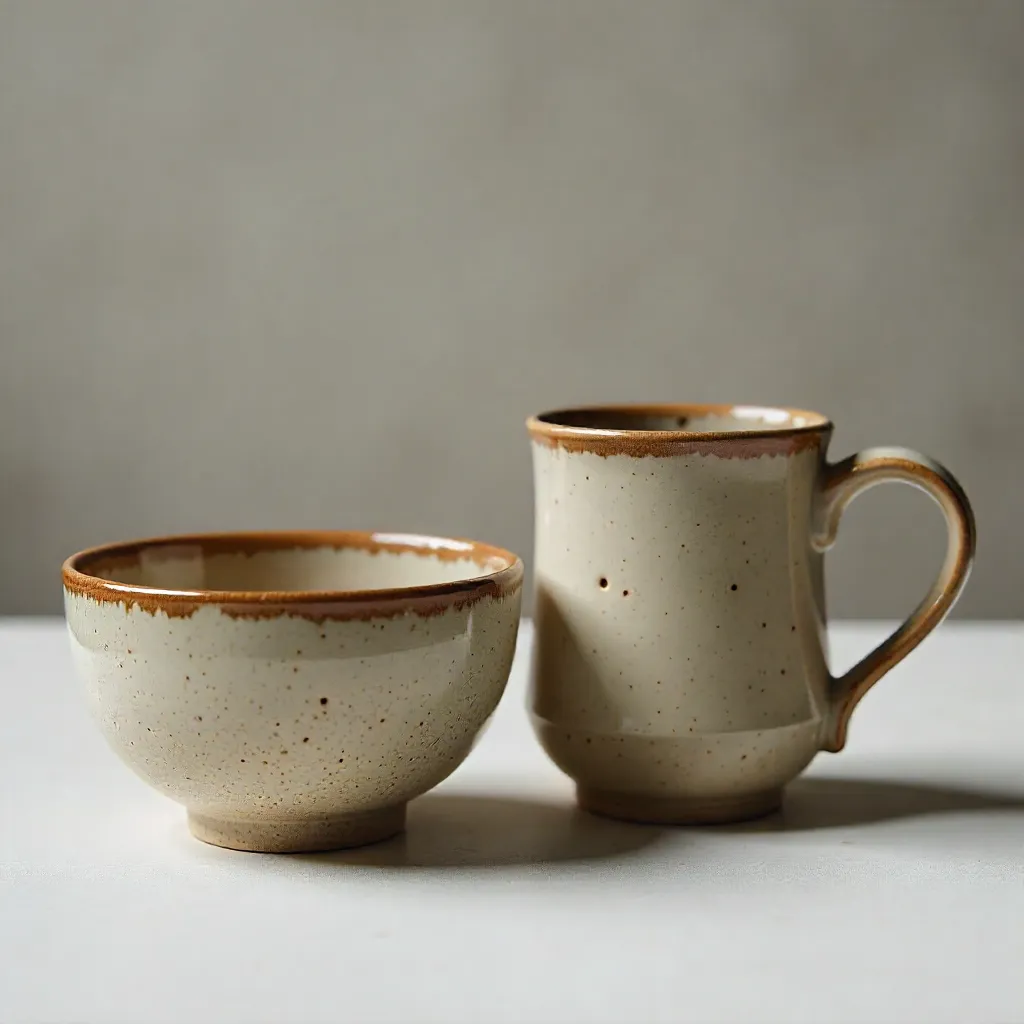
Design Philosophy
PHIL-001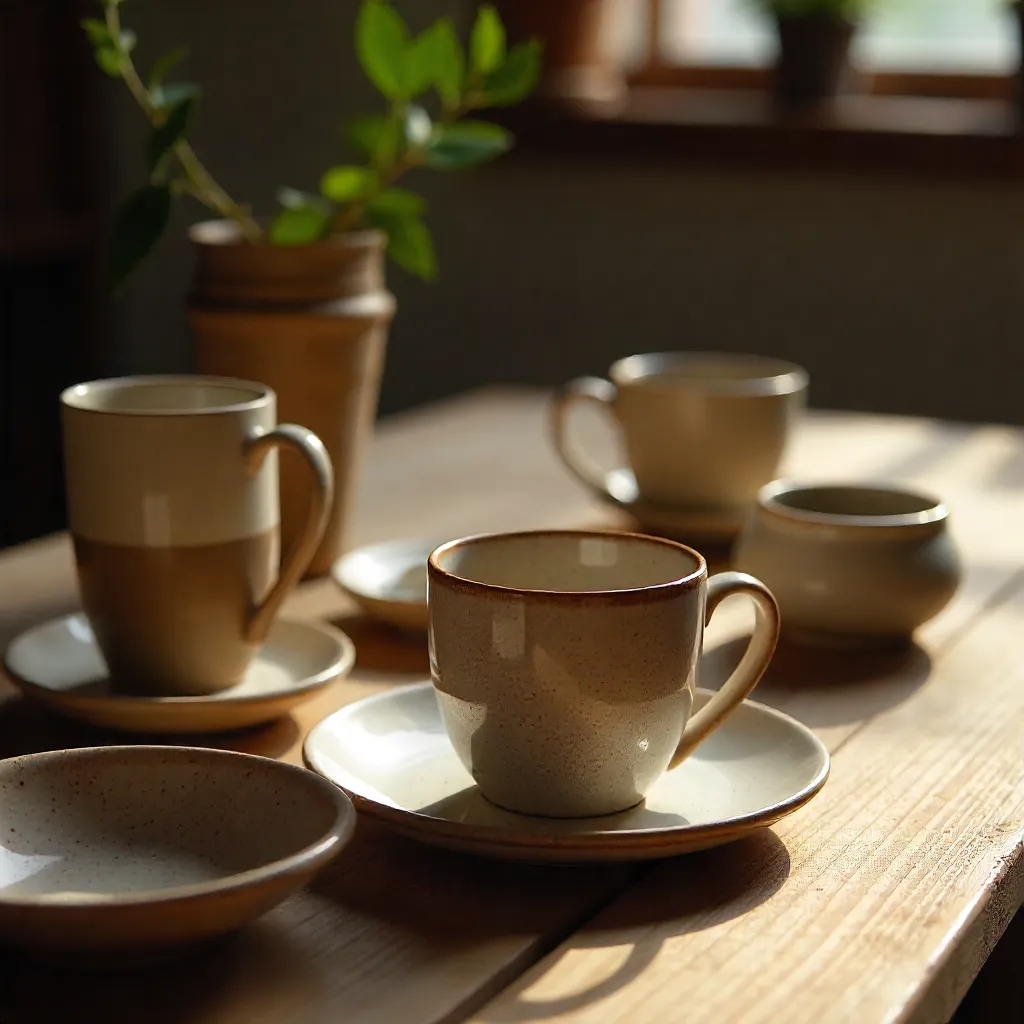
Our design approach prioritizes form that serves function while respecting the inherent properties of ceramic materials. Each shape emerges from understanding how clay behaves during forming and firing.
We explore proportions and relationships between different pieces, considering how they interact when used together in table settings. The collection evolves through iterative refinement of fundamental forms.
Material constraints and firing requirements inform design decisions, resulting in pieces that celebrate both human intention and natural material processes.
Material Longevity
CARE-001Hand Washing
Gentle hand washing preserves surface finishes and extends the functional lifespan of ceramic pieces.
Temperature Considerations
While durable, ceramic responds to thermal gradients. Gradual temperature changes help maintain structural integrity.
Storage Solutions
Proper stacking and separation prevent surface abrasion and protect edges during storage.
Explore Our Collection
EXPLORE-001Discover the complete range of handcrafted ceramic tableware and learn about our manufacturing process.